The Reunion
Psykologinen trilleriduologia
Elokuvista • Tuottajat • Ohjaus • Roolitus • Säveltäjä • Visuaalinen
Sales Agent / International Market • Co-production & Financing Structure • Indicative budget



24. helmikuuta 2001
Pieni saari Tukholman ulkosaaristossa.
Vene lähtee kuudelta illalla ja palaa kahdelta yöllä.
Ympäröivä jää eristää saaren – mutta ei kanna.
Kukaan ei pääse lähtemään.
Kolmetoista entistä luokkatoveria saapuu luokkakokoukseen.
Kun vene palaa kahdelta, noudettavaa ei enää ole – he ovat kaikki kuolleet.
The Reunion kerrotaan kahden toisiinsa kytkeytyvän pitkän elokuvan kautta, jotka sijoittuvat samaan talviseen yöhön, samalle saarelle ja samojen henkilöhahmojen ympärille – mutta vastakkaisista näkökulmista.
Se, mikä ensimmäisessä elokuvassa näyttää kaoottiselta, muuttuu toisessa tarkoitukselliseksi.
Se, mikä näyttää syyllisyydeltä, paljastuu kostoksi.
Se, mikä näyttää heikkoudelta, paljastuu valinnaksi.
Se, mikä näyttää brutaalilta murhalta, saattaa saada aivan toisen moraalisen merkityksen.
Miksi tämä on ohjaajan projekti
Jotkut tarinat rakentuvat juonen varaan. Tämä rakentuu näkökulman varaan.
The Reunion on suunniteltu kahdeksi toisiinsa kytkeytyväksi pitkäksi elokuvaksi, jotka tapahtuvat saman yön aikana, samassa paikassa ja saman ensemblen ympärillä.
Mutta yleisö kokee tuon yön kahdesta vastakkaisesta moraalisesta näkökulmasta.
Kohtaukset muuttavat merkitystään. Repliikit muuttavat merkitystään. Jopa hiljaisuus muuttaa merkitystään.
- Kaksi elokuvaa, jotka peilaavat ja muuntavat toisiaan
- Vahva painotus ensemble-näyttelemiseen ja muuttuviin liittoumiin
- Jännite rakentuu tunnelman, pidättyvyyden ja moraalisen monitulkintaisuuden kautta
- Harvinainen mahdollisuus ohjata kaksi toisiinsa kytkeytyvää pitkää elokuvaa yhtenä kokonaisuutena
Sävyltään elokuvat liikkuvat psykologisen realismin ja hitaasti kasvavan jännitteen alueella, lähempänä Jahtia kuin perinteisiä trillereitä.
Millaista ohjaajaa tämä tarina kutsuu
The Reunion kutsuu ohjaajaa, joka työskentelee luontevasti hiljaisuuden, pidättyvyyden ja psykologisen tarkkuuden kanssa.
- Ohjaaja, joka ymmärtää hiljaisuuden toimintana
- Ohjaaja, joka viihtyy tarkassa blocking-työssä ja mikrokäyttäytymisen ohjaamisessa
- Ohjaaja, joka nauttii työskentelystä näyttelijöiden kanssa hyvin hienovaraisella psykologisella tasolla
- Ohjaaja, joka pystyy pitämään mielessään kaksi elokuvaa yhtä aikaa menettämättä emotionaalista selkeyttä
Tämä ei ole spektaakkelin tai lajityyppiefektien varaan rakennettu projekti. Se nojaa näyttelijäntyöhön, tunnelmaan, muuttuvaan tulkintaan ja täsmälliseen emotionaaliseen kalibrointiin.
Maailma
Elokuvat sijoittuvat Tukholman saaristoon myöhäistalvella. Ympäristö ei ole vain tausta. Se on osa psykologista painetta.
Saari on pieni. Meri on musta. Ympäröivä jää on epävakaa eikä sitä voi ylittää. Viiteen mennessä iltapäivällä valo on jo hiipumassa. Kuudelta on täysin pimeää.
Talon sisällä vanhat hierarkiat palaavat. Pienet keskustelut alkavat. Vanhat haavat aukeavat uudelleen. Ulkona yö kylmenee. Pako muuttuu mahdottomaksi.
Kaksi elokuvaa
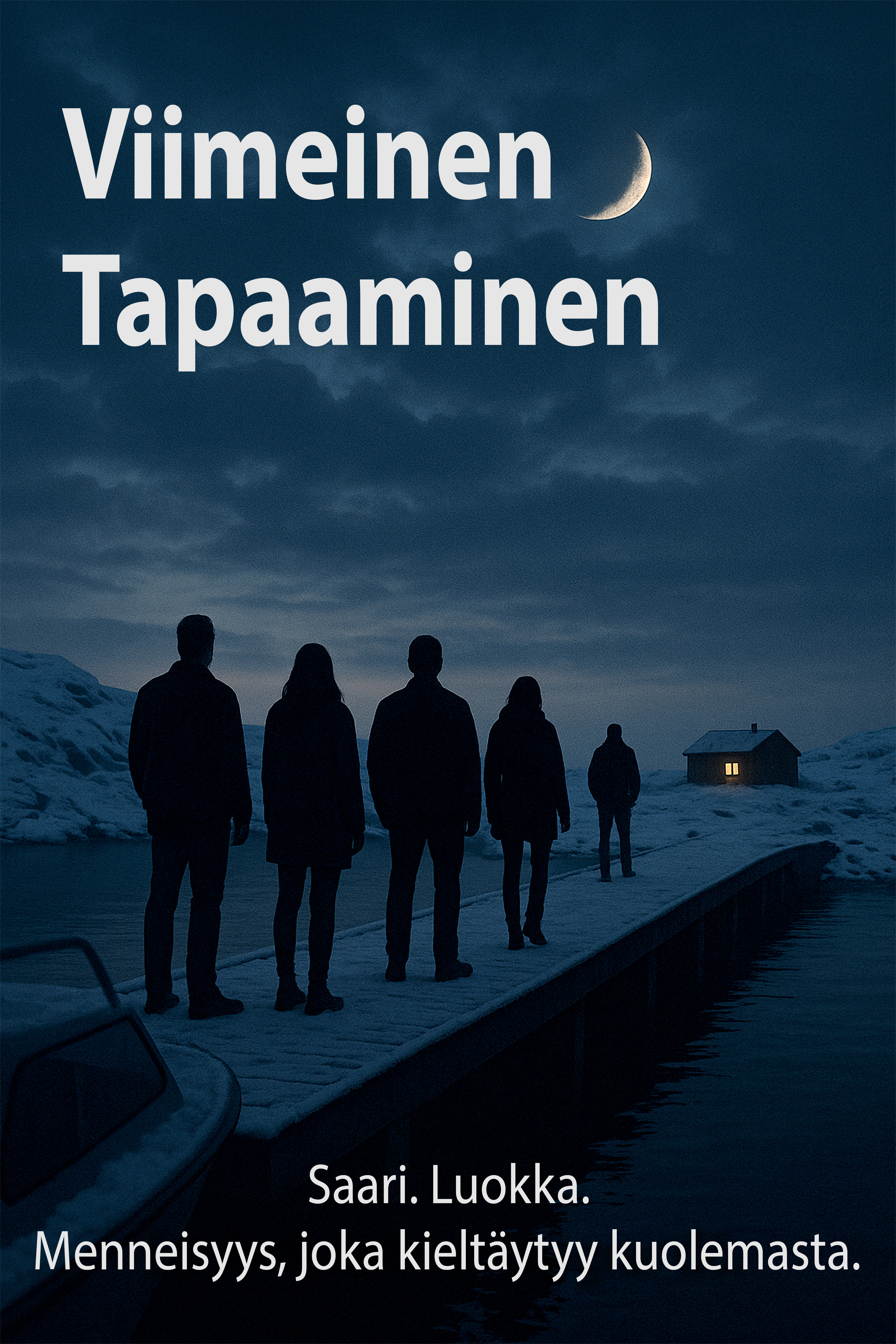
Suljettuun tilaan rakentuva, ensemble-vetoinen psykologinen trilleri, jossa paranoia, muisti ja vanhat luokkadynamiikat syöksyvät kohti kuolemaa.
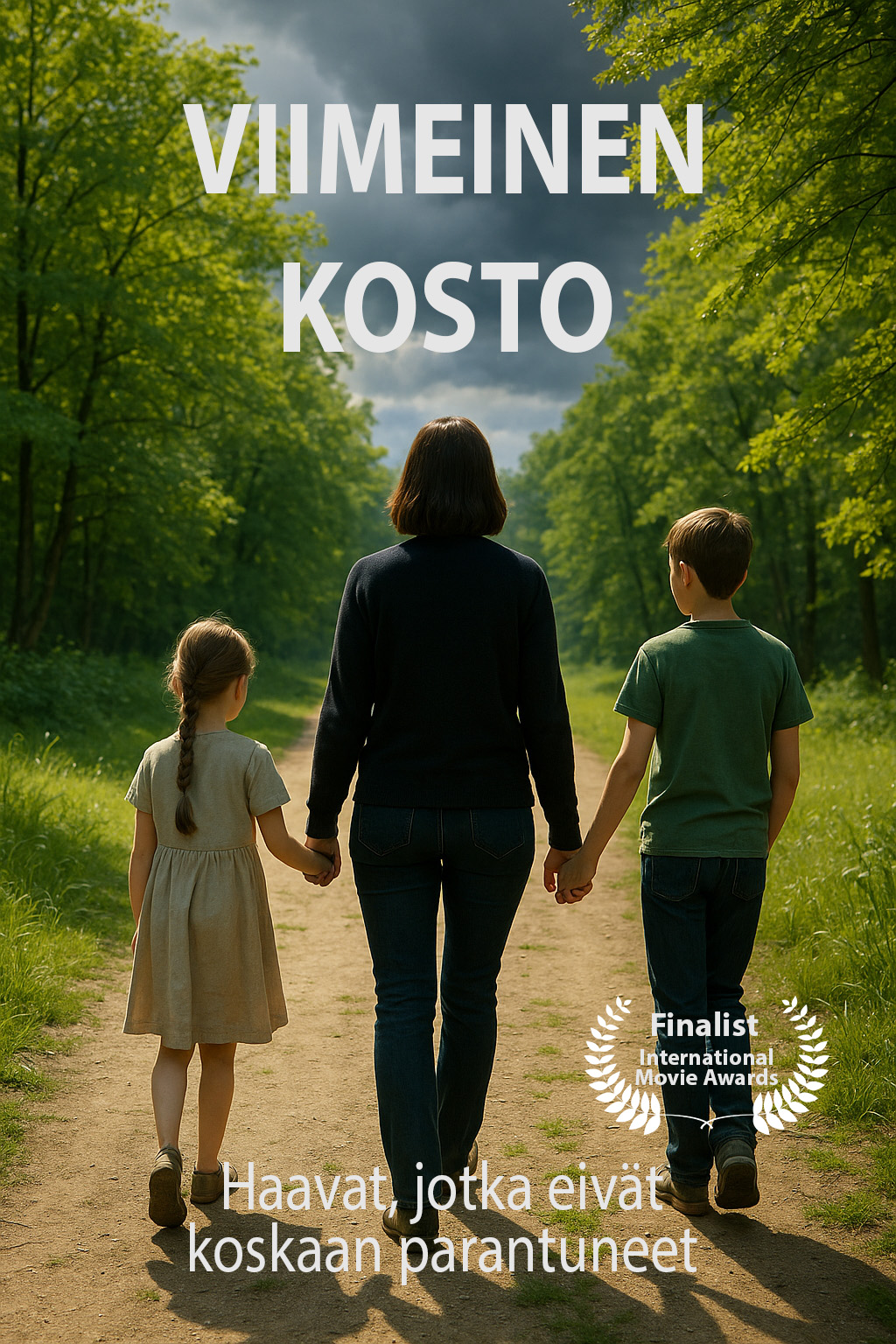
Sama yö nähtynä vastakkaiselta puolelta – paljastaen motiivin, piilotetut liikkeet ja radikaalisti toisen moraalisen merkityksen.
Ohjauksellinen haaste
The Reunionin ohjaaminen tarkoittaa kahden itsenäisen pitkän elokuvan muovaamista, jotka on suunniteltu toteutettaviksi läheisessä suhteessa toisiinsa – käytännössä yhtenäisenä back-to-back-projektina.
Oikealle ohjaajalle tämä on harvinainen mahdollisuus: luoda kaksi elokuvaa, jotka sijoittuvat samaan maailmaan, saman ensemblen ympärille ja samaan yöhön dramaattisena ytimenään, mutta kahdesta erilaisesta moraalisesta ja emotionaalisesta näkökulmasta.
- Sama aikajana
- Sama saari
- Samat henkilöhahmot
- Samat keskeiset tapahtumat
Mutta yleisön ymmärrys muuttuu täysin kahden elokuvan välillä. Hetki, joka näyttää toisessa elokuvassa sattumanvaraiselta, voi toisessa paljastua tarkoitukselliseksi. Hahmo, joka näyttää ensimmäisessä elokuvassa heikolta, voi toisessa paljastaa piilotetun voimansa. Hiljaisuus, joka yhdessä versiossa näyttäytyy pelkona, voi toisessa näyttäytyä laskelmointina.
Haaste on siinä, että kahden näkökulman välinen täydellinen johdonmukaisuus säilyy samalla kun kumpikin elokuva toimii itsenäisesti, sekä emotionaalisesti että elokuvallisesti.
Näkökulma toiminnassa
Sama hetki. Eri totuus. Esimerkki 1 – Eva ja liesi.Laajenna
Final Reunionissa
Eva löytyy kuolleena, pää lieden sisällä.
Kohtaus vihjaa, että Roger saattaa olla vastuussa.
Hetki syventää talon sisäistä paranoiaa.
The Reckoningissa
Sama hetki paljastetaan toisesta näkökulmasta.
Kyse oli Ingeristä, joka puolusti itseään ja peitti sitten jälkensä.
Se, mikä ensin vaikutti brutaalilta murhalta, paljastaa toisenlaisen moraalisen todellisuuden.
Sama hetki. Eri totuus. Esimerkki 2 – Mats putoaa jäihin.Laajenna
Final Reunionissa
Mats putoaa jään läpi.
Kun ote lipsuu ja hän vajoaa mustaan veteen, hän kuiskaa:
“Anna anteeksi, Jessica.”
Repliikki kuulostaa katumukselta. Yleisö uskoo hänen pyytävän anteeksi, koska ei pystynyt suojelemaan Jessicaa.
The Reckoningissa
Sama hetki palaa uuden kontekstin kanssa.
Nyt yleisö tietää, että Mats tappoi Jessican hetkeä aiemmin.
Repliikistä tulee jotain aivan muuta:
hän pyytää anteeksi sitä, että tappoi hänet.
Sama hetki. Eri totuus. Esimerkki 3 – Tobben kuolema.Laajenna
Final Reunionissa
Tobbe kuulee jotain takanaan ja kääntyy.
Inger on jo siinä. Hän tappaa Tobben kivellä.
Hän sanoo: “Roger oli minun tapettava.”
Hetki tuntuu kylmältä, välittömältä ja hallitulta.
The Reckoningissa
Inger lähestyy takaapäin ja nostaa kiven.
Hän epäröi. Hän alkaa vetäytyä.
Oksa napsahtaa hänen jalkansa alla. Tobbe kääntyy äkisti. Vaistonvaraisesti hän iskee.
Sama murha paljastaa nyt epäröinnin – ja viimeisen tahattoman rajan ylityksen.
Hetkiä käsikirjoituksesta
Lue Viimeinen Tapaaminen viimeinen hetki.Laajenna
Lue takauma Viimeinen Tapaaminen.Laajenna
Miksi valitut käsikirjoitusotteet ovat ohjaajalle olennaisia.Laajenna
Käsikirjoitusotteita ei ole mukana siksi, että ne selittäisivät elokuvia kokonaisuudessaan, vaan siksi, että ne näyttävät projektin sävyllisen identiteetin:
- hiljaisuus dramaattisena toimintana
- näyttelijäntyö ennen selittelyä
- täsmällinen visuaalinen kerronta
- hetket, jotka muuttavat merkitystään kahden elokuvan välillä
Sävy ja visuaalinen kieli
Elokuvat nojaavat pohjoismaiseen psykologiseen realismiin.
- Luonnollinen pimeys ja talvinen valo
- Ensemble-jännite spektaakkelin sijaan
- Hiljaisuus, katseet ja muuttuvat liittoumat
- Väkivalta, joka tuntuu väistämättömältä eikä oopperamaiselta
Projekti on tarkoitettu ohjaajalle, jota vetävät puoleensa moraalinen monitulkintaisuus, hidas eskalaatio ja kohtaukset, joissa vaara kasvaa hiljaa pinnan alla.
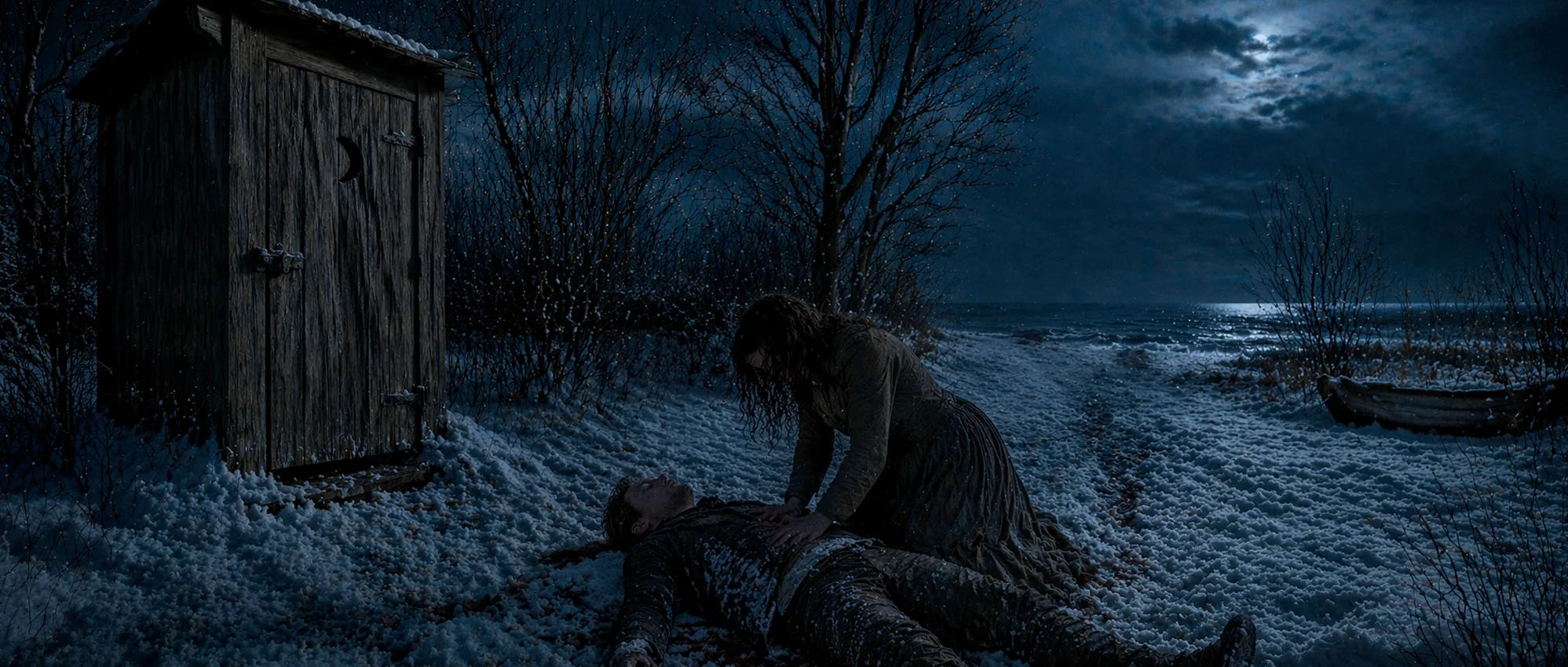
Ohjaukselliset viitteet
Nämä viitteet osoittavat sävyllistä aluetta, eivät kiinteää tyylillistä mallia.
- The Invitation (2015) – luokkakokouksen levottomuus, haudattu syyllisyys ja psykologinen eskalaatio
- Speak No Evil (2022) – sosiaalinen epämukavuus, tukahdutettu aggressio ja moraalinen julmuus
- The Hunt (2012) – kollektiivinen epäluulo, sosiaalinen paranoia ja armoton ryhmäpaine
- Identity (2003) – eristyksiin jäänyt ryhmä, voimistuva paranoia, kätketty rakenne
Kehitysvaihe
- Kaksi valmista pitkän elokuvan käsikirjoitusta
- Kirjoitettu ruotsiksi ja englanniksi
- Täysi synopsis – Final Reunion
- Täysi synopsis – The Reckoning
- Lookbook keskeiseen rooliin: Inger
- Rinnakkaiset esittelysivut ovat saatavilla myös:
tuottajille, castingille ja säveltäjille
- Kansainvälisesti tunnustettu, finaalisijoituksia sekä voitto merkittävässä käsikirjoituskilpailussa
- Molemmat käsikirjoitukset ovat saaneet erittäin myönteistä palautetta tuomaristolta
- Eurooppalaista yhteistuotantokiinnostusta
- Materiaalia lukee parhaillaan yksi Ruotsin arvostetuimmista Guldbagge-palkituista näyttelijöistä keskeistä roolia varten
- Säveltäjäkiinnostusta Guldbagge-ehdokkaina olleilta ja kansainvälisesti tunnustetuilta elokuva- ja tv-säveltäjiltä
- Suunniteltu rajattuun eurooppalaiseen yhteistuotantomalliin
- Ohjeellinen budjetti per elokuva: €1,9–2,8 miljoonaa
Etsitään ohjaajaa
The Reunion on tarkoitettu ohjaajalle, jota vetävät puoleensa:
- psykologinen jännite
- ensemble-kerronta
- muodollinen tarkkuus
- tinkimättömät loput
Tavoitteena on luoda kaksi synkkää, tunnelmallista pohjoismaista trilleriä, jotka toimivat itsenäisinä elokuvina – ja samalla yhtenä laajempana elokuvallisena kokonaisuutena.
Kirjoittajasta ja luojasta
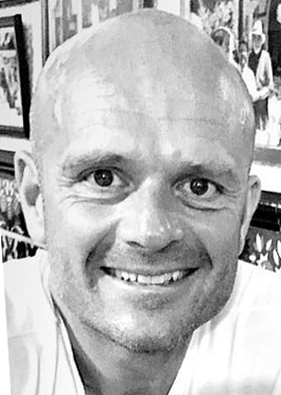
Staffan von Zeipel on käsikirjoittaja ja tekijä, joka keskittyy rajattuun ympäristöön sijoittuviin psykologisiin trillereihin sekä henkilövetoisiin genre-elokuviin. Hänen tarinansa rakentuvat moraalisen paineen, ryhmädynamiikan ja jännitteen ympärille – jännitteen, joka kasvaa hahmojen omista valinnoista pikemminkin kuin ulkoisista uhista.
Hän on The Reunion -duologian luoja – Nordic noir -henkisen kaksiosaisen elokuvakokonaisuuden, joka koostuu elokuvista Viimeinen Tapaaminen ja Viimeinen Kosto. Kaksi pitkää elokuvaa sijoittuvat samaan yöhön, samaan paikkaan ja saman ensemblen ympärille, mutta eri näkökulmista – kehitettyinä kansainvälistä yhteistuotantoa ja kustannustehokasta back-to-back-tuotantoa varten.
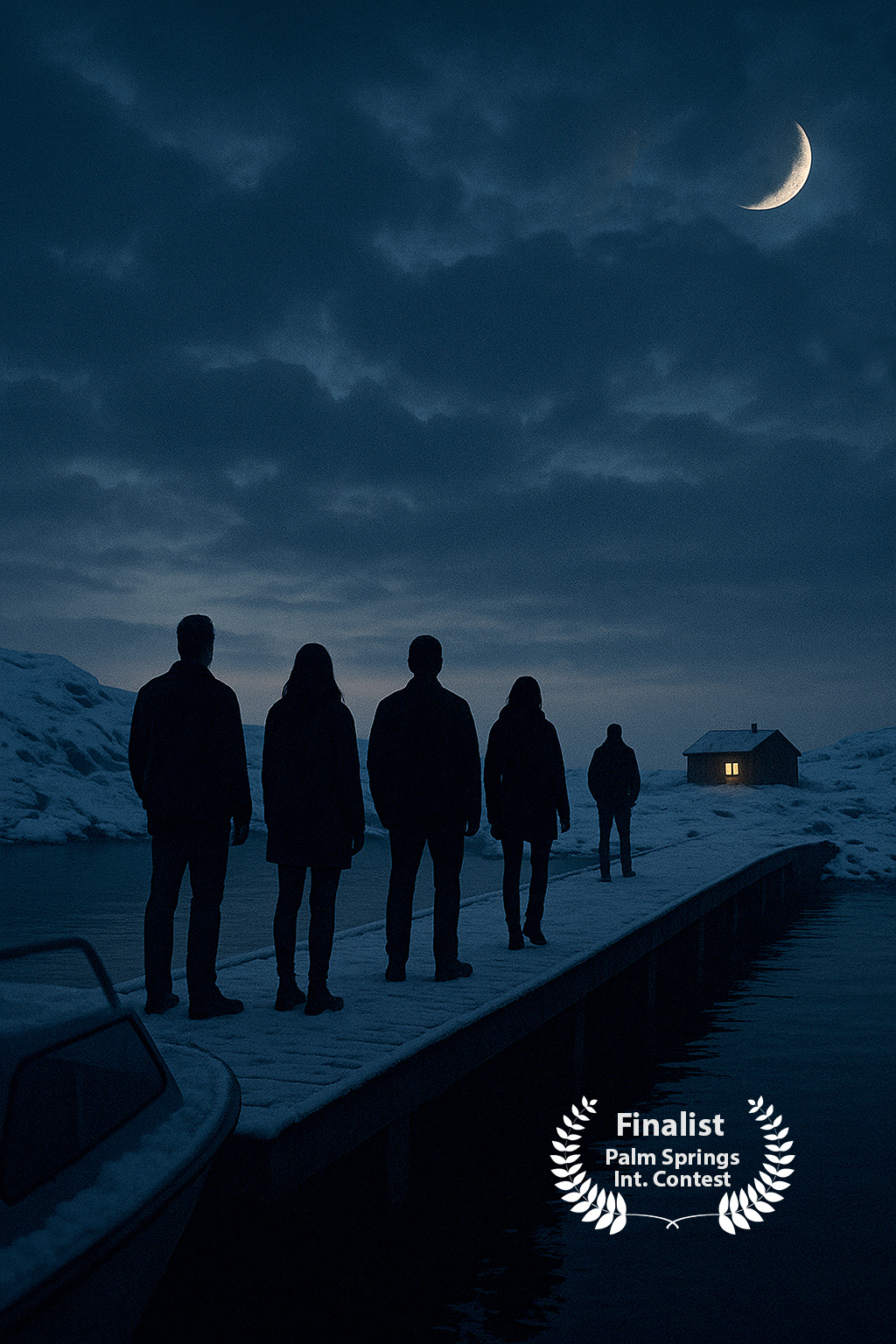
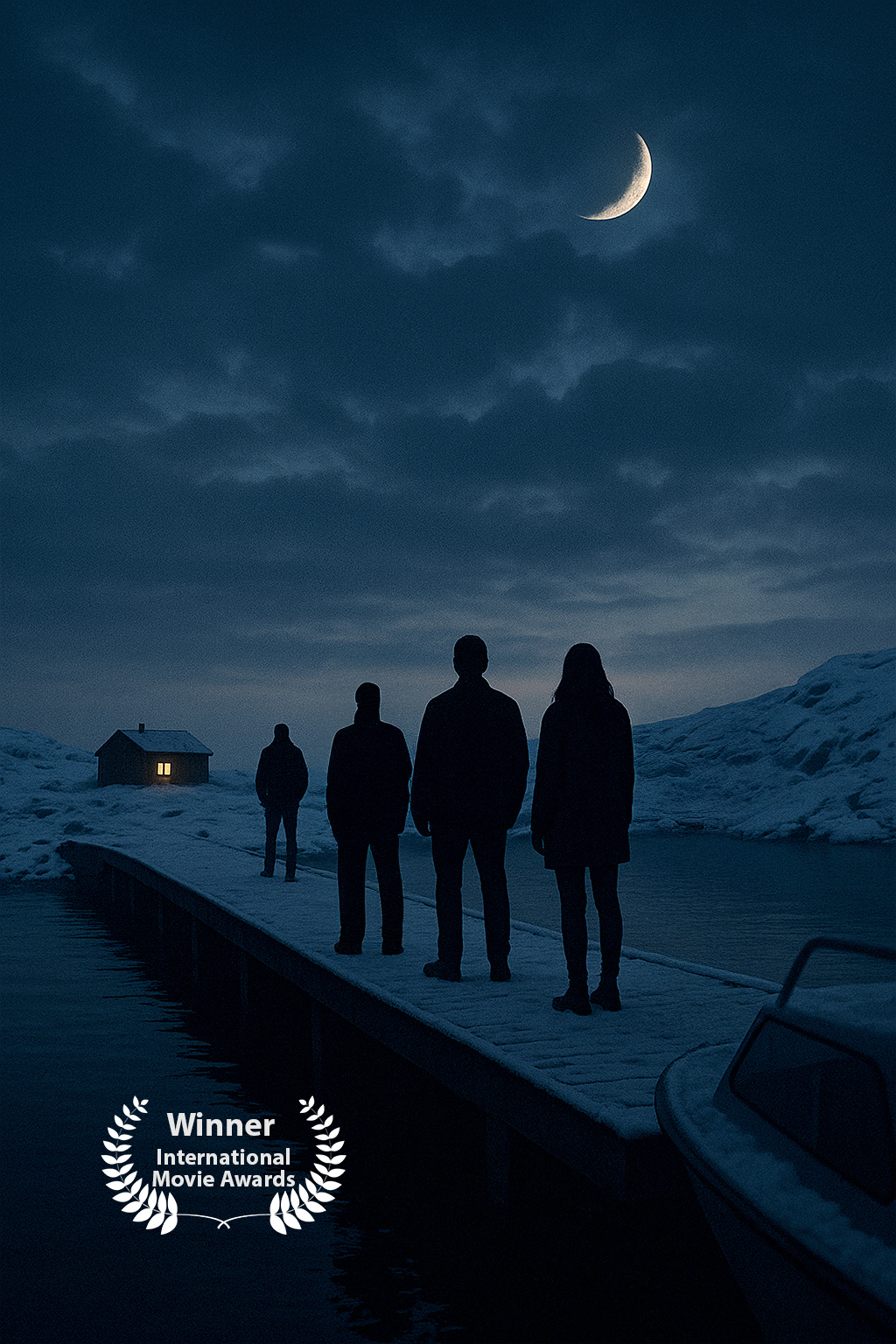
Staffanin kaksi käsikirjoitusta ovat saaneet kansainvälistä tunnustusta, muun muassa finalistisijoituksen Palm Springs International Screenplay Contest -kilpailussa sekä voiton International Movie Awards -kilpailussa.
Yli 15 vuoden kokemus monimutkaisten projektien johtamisesta selkeiden määräaikojen ja moniammatillisten tiimien kanssa on antanut Staffanille vahvan kyvyn jäsentää, muokata, kuunnella ja priorisoida sitä, mikä parhaiten palvelee projektia. Hän näkee käsikirjoituskehityksen yhteisenä ja iteratiivisena prosessina, jossa materiaalia voidaan testata, syventää ja hioa tiiviissä dialogissa tuottajan, ohjaajan ja dramaturgin kanssa.
Hänen tavoitteensa on olla sitoutunut ja joustava luova kumppani: tuoda jatkuvuutta duologian narratiiviseen arkkitehtuuriin ja temaattiseen ytimeen, samalla kun dialogi, roolit, rytmi ja rakenne kehittyvät yhdessä luovan tiimin kanssa.
Tavoitteena on luoda mahdollisimman vahvat elokuvat – ei lukita materiaalia, vaan jalostaa sitä menettämättä sen keskeistä DNA:ta: syyllisyyttä, ryhmädynamiikkaa, vanhoja rooleja ja vaihtuvia näkökulmia.
Yhteystiedot
LinkedIn: LinkedIn/zeipels
IMDb: imdb/staffanvonzeipel