
The Reunion
A Psychological Thriller Duology
About the Films • Producer page • Director • Cast • Composer • Visual
Sales Agent / International Market • Co-production & Financing Structure • Indicative budget


For Cinematographers / Visual Approach
The visual world of The Reunion must carry more than atmosphere. It must hold tension, silence, guilt, and emotional exposure. The images should feel restrained, precise, and quietly unforgiving – never expressive for their own sake, but always charged with what remains unspoken.
These are films built on psychological pressure rather than spectacle. The camera should not explain the story, but deepen it. It should be able to hold stillness without losing tension, and darkness without losing emotional clarity. Winter is not merely the setting of the films, but part of their inner state. Light, shadow, faces, stone, water, and empty space should all work together to create a world that feels cold, exposed, and impossible to escape.
The visual language should never soften what the films are doing. It should allow discomfort to remain, silence to speak, and the audience to stay inside a world where guilt, memory, and violence are never fully at rest.
Envisioned Shooting Environment
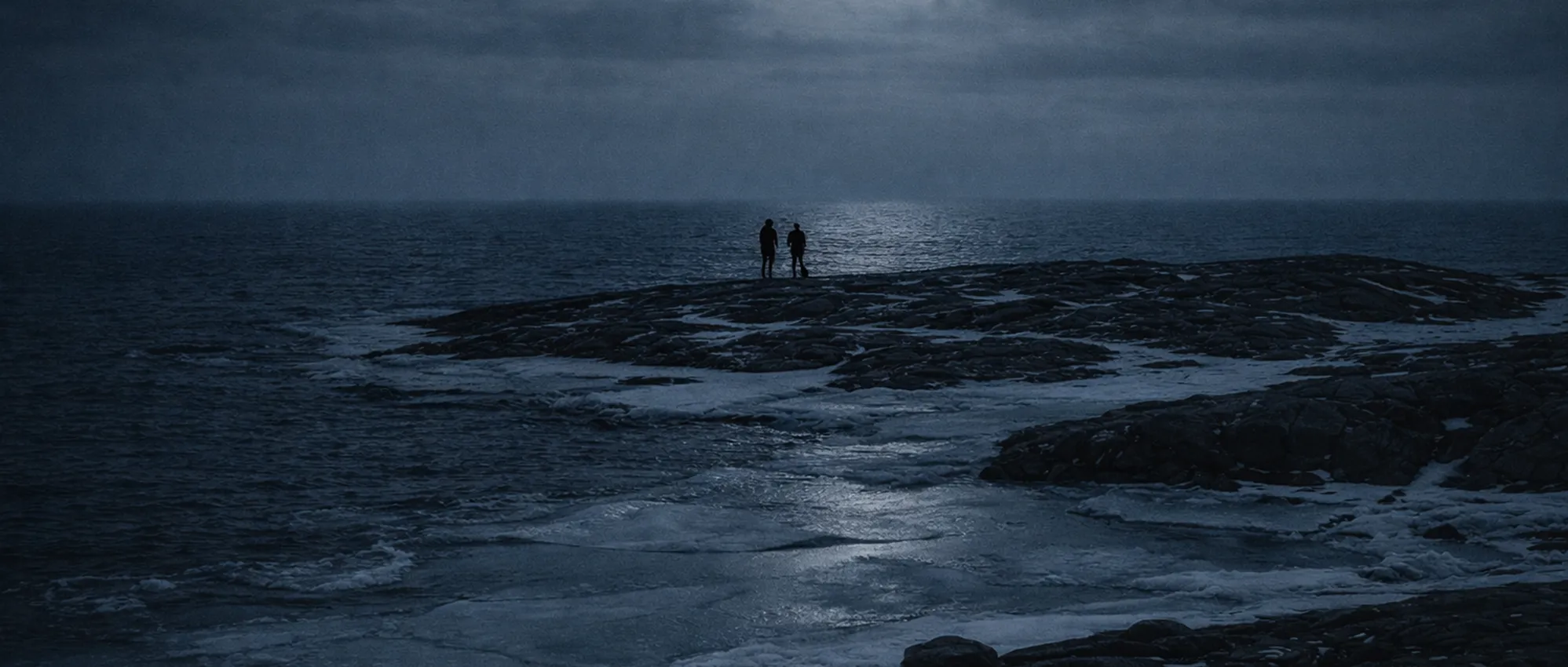
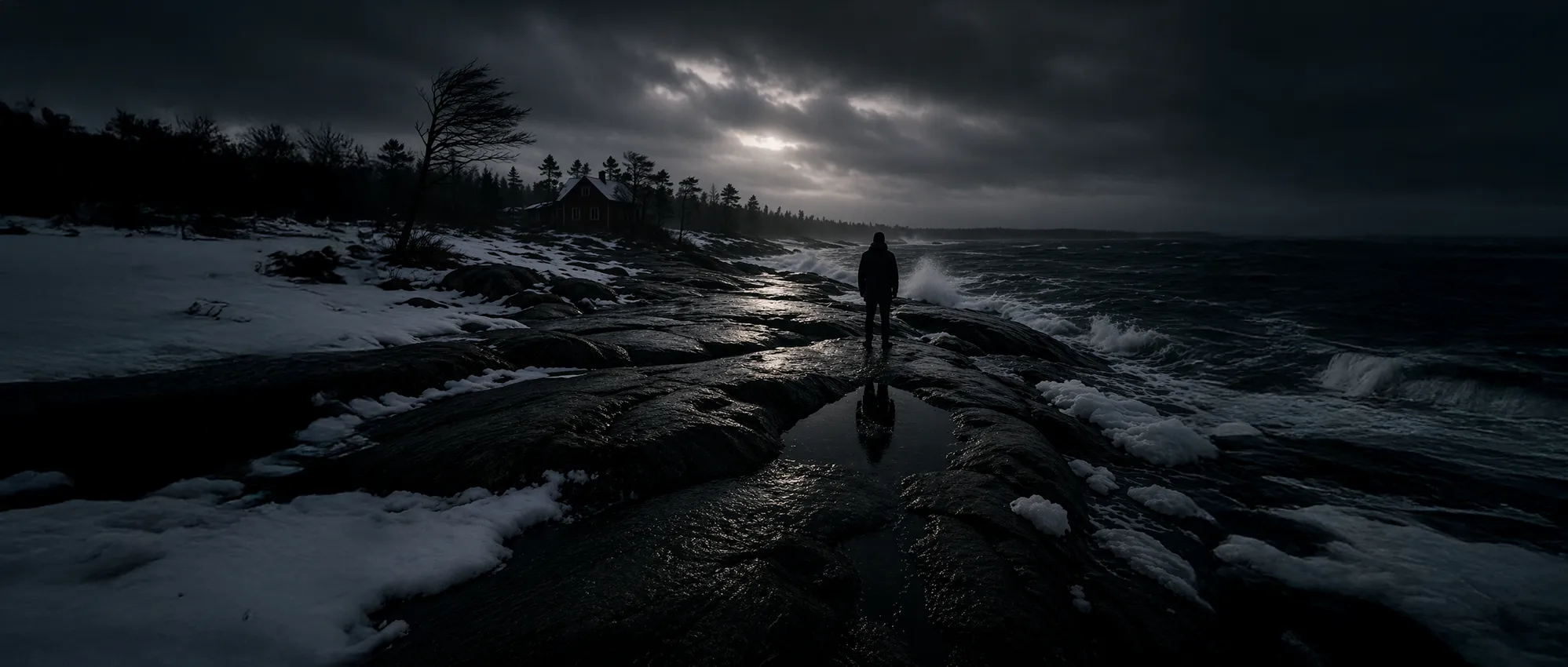
The Reunion is currently envisioned to be filmed in the Vaasa archipelago in Finland, although the location is not yet formally confirmed. This is not only a practical choice, but a visual and atmospheric one.
The exposed rock, open horizons, winter light, harsh wind, and sparse shelter create a landscape that feels stripped down to essentials. It is a place where nothing softens the world, and nothing hides the characters. The island should feel like a naked courtroom in nature – everything exposed, everything judged.
This is not meant to be a picturesque backdrop. It should feel like a place of pressure and exposure, where darkness, wind, ice, and silence do not merely surround the story, but become active forces within it.
Light
The light in these films should feel fragile, cold, and temporary. Daylight is never generous; it only briefly reveals what the darkness will soon reclaim. Exterior winter light should carry a pale hardness – beautiful, but never comforting.
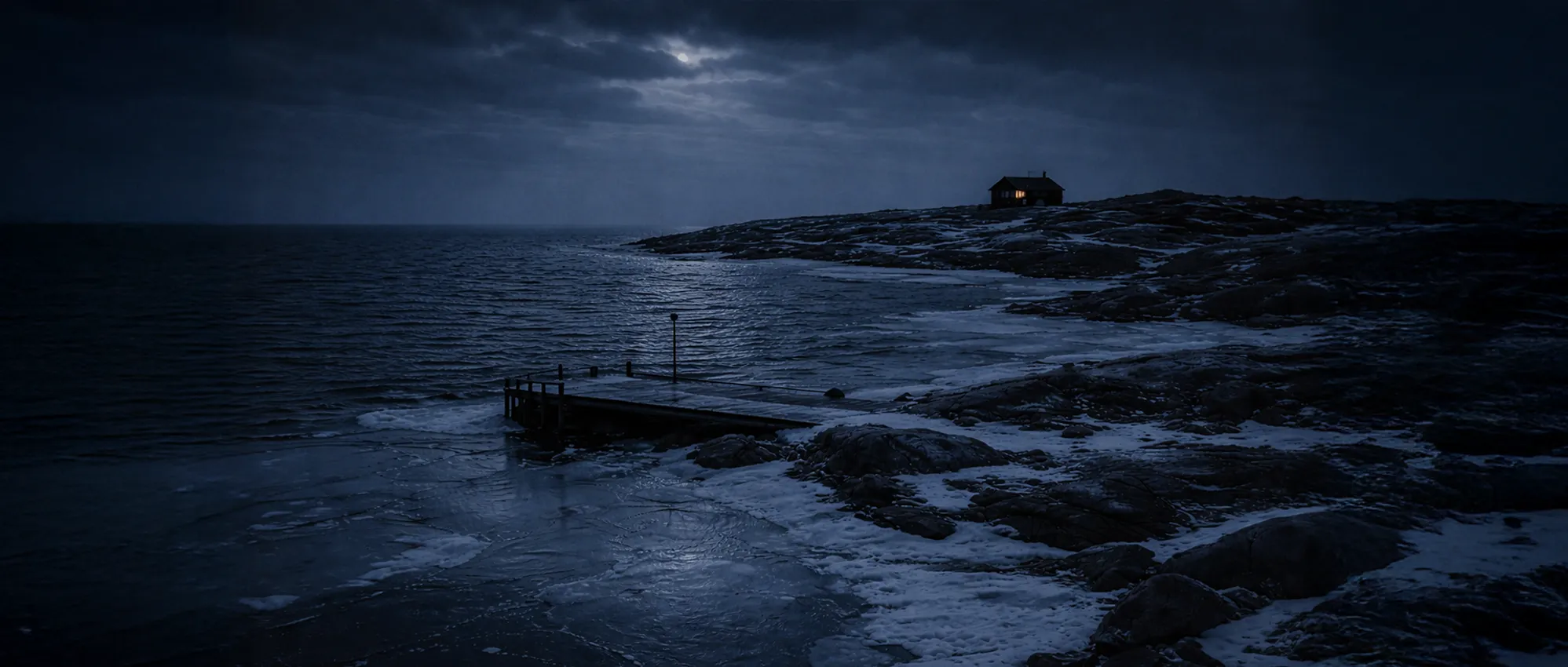
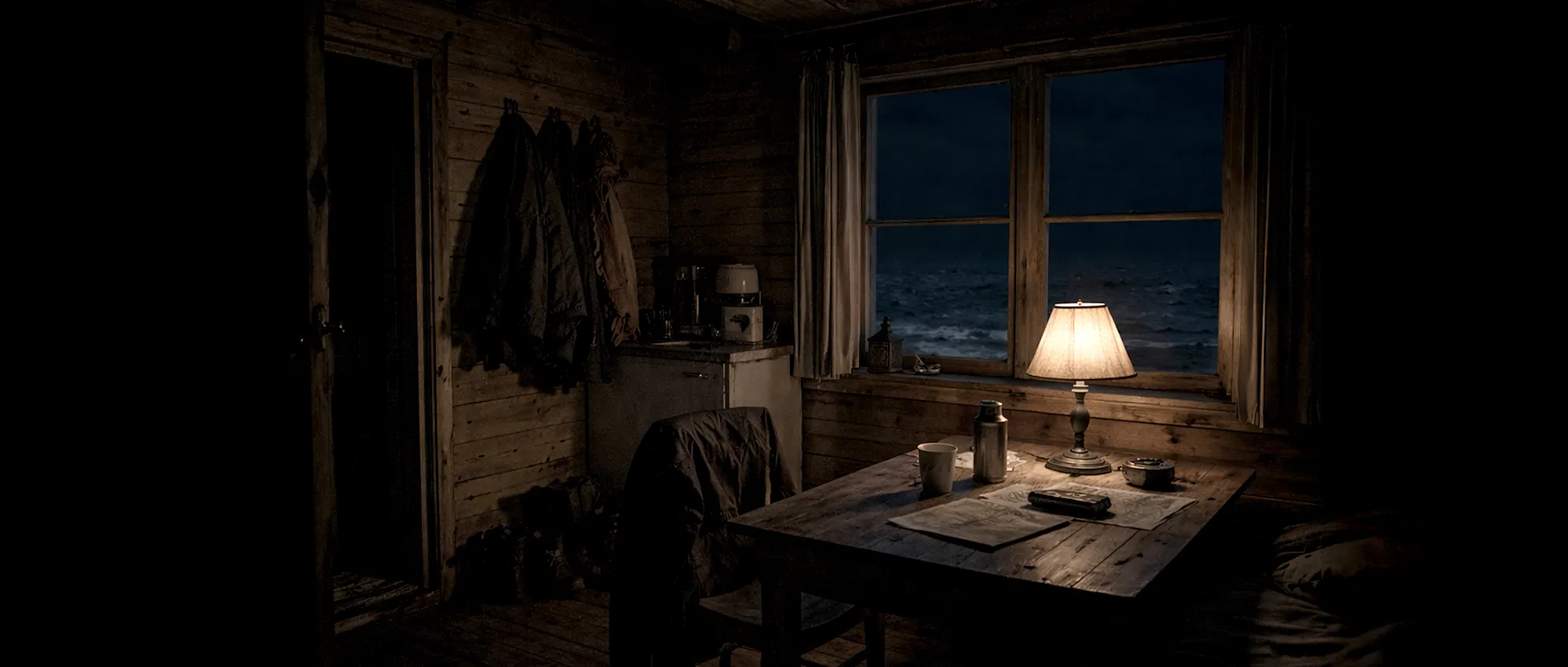
Interiors should follow the same logic. Light sources should feel motivated and limited: lamps, windows, practical fixtures, weak warmth against surrounding darkness. Rooms should never feel fully protected from the outside world. Even indoors, the sense of exposure should remain.
Darkness is essential to the films, but it must never become vague. It should hold detail, tension, and space for the actors’ faces. The aim is not visual obscurity, but emotional pressure.
Faces
Faces must be allowed to carry silence. These films depend on what is withheld as much as on what is spoken, and the camera must be able to observe hesitation, restraint, moral shifts, and fractures beneath control.
The visual approach should stay close enough to register small changes – a gaze that lingers too long, a reaction held back, the effort not to reveal what is already breaking underneath – but never push for effect. Expression should not be overstated. The emotional force must come from precision, not insistence.
The human face is one of the most important landscapes in the duology. It should be filmed with patience, seriousness, and trust.
The Same Place, Reframed
One of the central visual challenges of The Reunion is that the same island must be able to hold two different emotional truths.
Across the two films, the place remains the same, but the meaning changes. In one film, the island may feel threatening, accusatory, and exposed. In the other, it may feel haunted, fated, or shaped by buried history. The geography does not change; the emotional and moral weight carried by the images does.
The cinematography should therefore allow the same physical world to be revisited without repetition. Perspective, distance, stillness, framing, and the relationship between character and landscape can all shift subtly between the films. What matters is not visual novelty, but a deepening of meaning.
The Landscape as Pressure
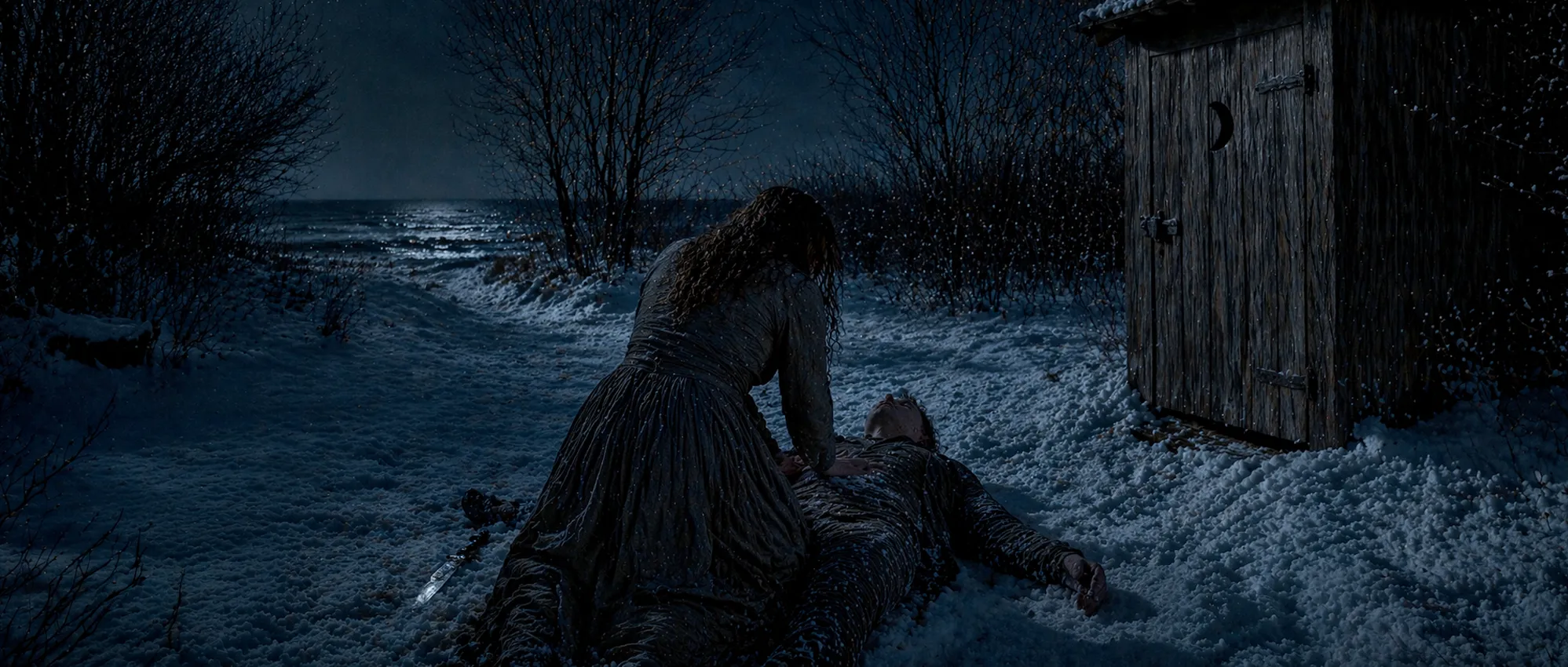
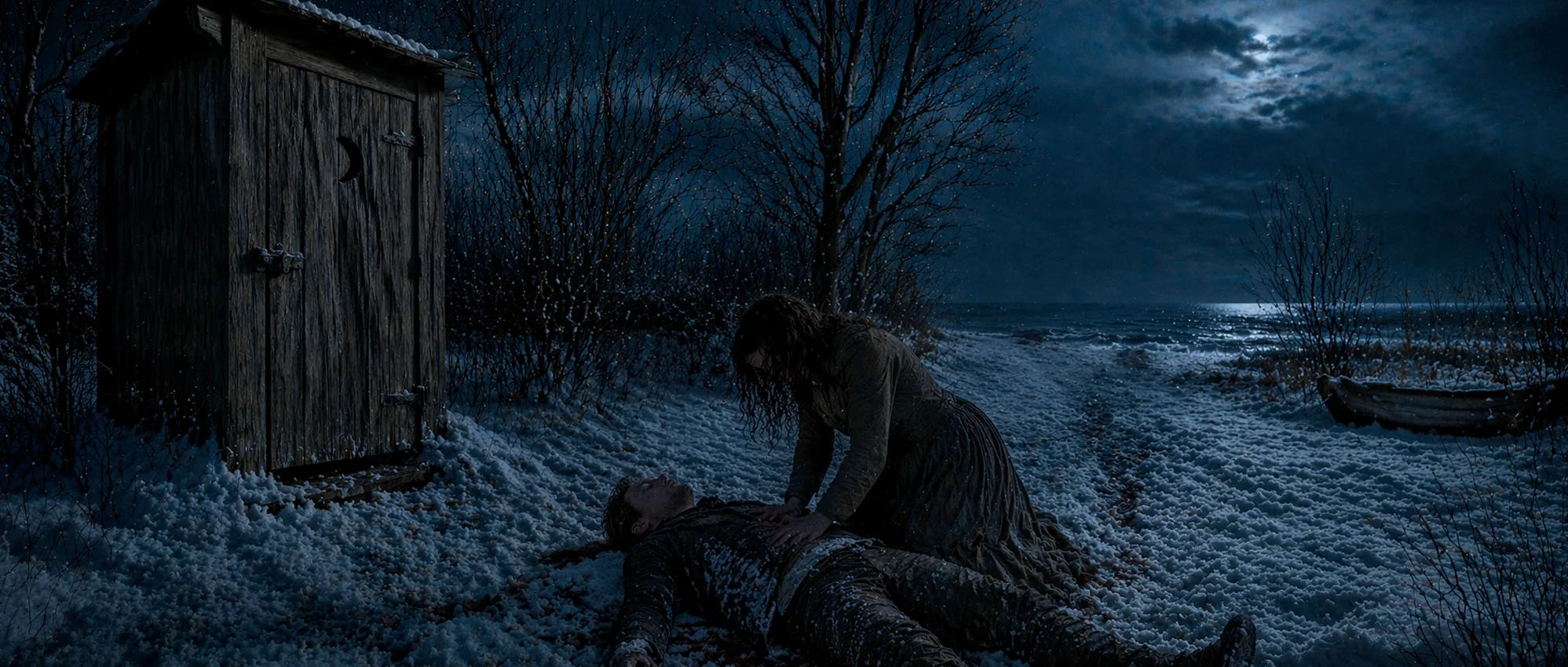
Nature in The Reunion should never feel neutral. The island is not simply where the story takes place; it is part of how the story works.
The exposed stone, black water, unstable ice, empty distances, and low winter sky should all contribute to a sense that the characters are being stripped of cover. The landscape should not offer relief. It should increase pressure.
This is a world with little softness in it. Wind matters. Distance matters. The absence of shelter matters. The environment should feel as if it is quietly participating in the unraveling of the night.
Interiors: Temporary Shelter
Interior spaces should never feel truly safe. They may offer temporary shelter, but never full relief. The warmth should be partial, unstable, and surrounded by darkness that still feels present.
Wood, lamps, windows, weak firelight, and practical sources can create a fragile sense of refuge – but the world outside must continue pressing inward. Even indoors, the characters should feel exposed.
Firelight, Silence, Waiting
Not every interior image needs to explain action. Some should simply hold a state of mind. A figure seen from behind, a fire nearly gone out, the last warmth in the room beginning to fail – these kinds of images can carry silence, memory, and emotional fatigue without forcing meaning.
In these films, stillness is not emptiness. It is pressure held in place.
Restraint Over Spectacle
The films do not need visual ornament. Their strength should come from clarity, tension, and confidence in what does not need to be underlined.
The camera should resist the temptation to aestheticise pain, over-dramatise violence, or search for beauty at the expense of truth. The visual language should remain disciplined and morally serious. It should trust silence, composition, duration, and the weight of bodies in space.
Any beauty in these films should come from severity, not softness.
Visual Principles
– Restraint over spectacle
– Silence over explanation
– Exposure over comfort
– Winter as inner state
– The landscape as pressure, not backdrop
– The same place, carrying two different truths
About the Writer / Creator
Staffan von Zeipel is a screenwriter and creator with a focus on contained psychological thrillers and character-driven genre films. He is the creator of The Reunion (Final Reunion / The Reckoning), a Nordic noir duology in which two feature films take place during the same night, with the same ensemble and location.
With a background in project leadership and complex development processes, Staffan approaches The Reunion as a larger film project rather than merely two separate screenplays. He is deeply engaged in the project’s narrative structure and thematic core, but open to further professional development in collaboration with the right producer, director and key creative partners.
Contact
LinkedIn: LinkedIn/zeipels
IMDb: imdb/staffanvonzeipel