
The Reunion
A Psychological Thriller Duology
About the Films • Producer page • Director • Cast • Composer • Visual
Sales Agent / International Market • Co-production & Financing Structure • Indicative budget


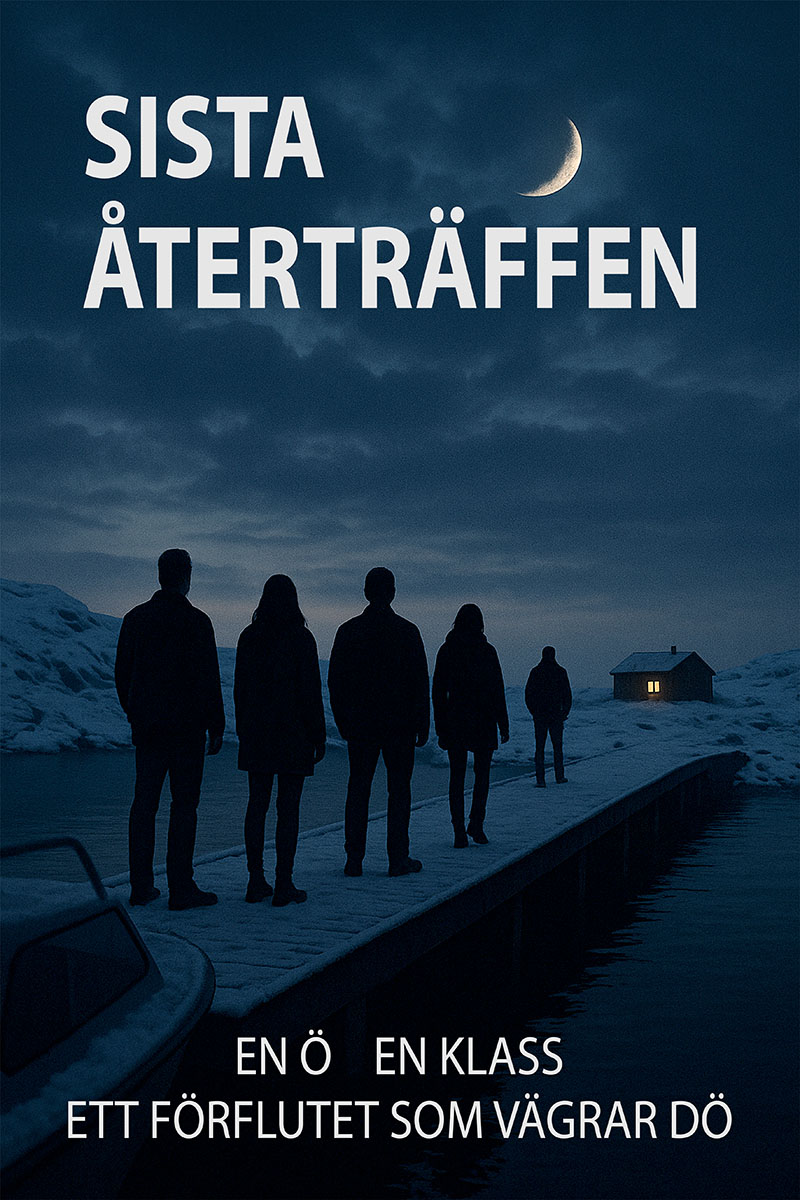
February 24, 2001
A small island in the outer Stockholm archipelago.
The last boat leaves the island at four in the afternoon.
The ice around the island is beginning to give way.
No one can cross it.
No one can get off the island.
Thirteen former classmates arrive for a reunion.
When the boat returns at two in the morning, there is no one left to pick up.
The Reunion is told through two interconnected feature films that unfold during the same winter night, on the same island, with the same characters – but from opposing perspectives.
What appears chaotic in the first film turns out to be intentional in the second.
What looks like guilt becomes revenge.
What looks like weakness becomes a choice.
For the music, this opens up something unusual:
a musical language that can do more than carry atmosphere, one that can return with a changed moral meaning.
Why This Could Be a Composer’s Project
Some films look for music that heightens mood. This story looks for music that can carry meaning.
The Reunion is designed as two interconnected feature films unfolding during the same night, in the same place, with the same ensemble.
But the audience experiences that night from two opposing moral starting points. Scenes change meaning. Lines of dialogue change meaning. Even silence changes meaning.
- Two films in which the same musical DNA can gain a new charge in the sister film
- A strong focus on guilt, control, subtext, and psychological pressure
- Silence as an active dramatic force, not empty space
- A rare opportunity to create a score that works both independently and as reinterpretation
What Kind of Composer the Story Is Looking For
The Reunion is looking for a composer who is comfortable with restraint, precision, and emotional discipline.
- A composer who understands silence as structure, not absence
- A composer who can work with small shifts rather than constant presence
- A composer who enjoys building guilt, uncertainty, and moral friction beneath the surface
- A composer who can let the same motif or texture return with new meaning in the second film
This is not a project driven by jump scares or wall-to-wall music. It is carried by atmosphere, human behavior, shifting interpretation, and precise emotional calibration.
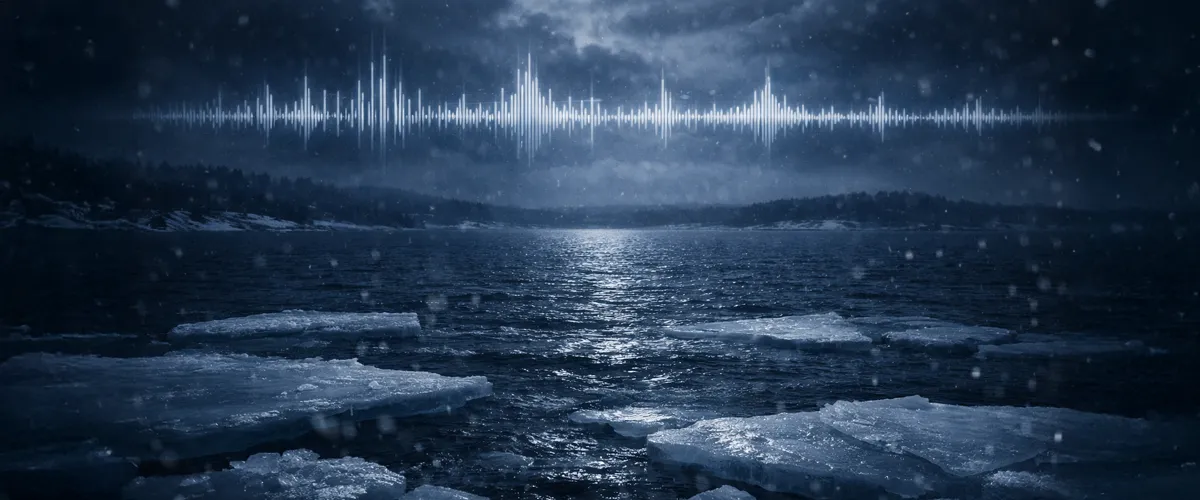
Unique Narrative Structure The Zeipel Method – Narrative Architecture
The project introduces an unusual storytelling form: two complete feature films unfolding during the same night, with the same ensemble, but from two opposing perspectives.
Both films work fully as standalone works, but together they form a narrative design in which the audience’s understanding shifts between films.
For a composer, this means not only the opportunity to create a strong musical identity for a story, but to create a musical language that can return with altered meaning.
A texture, a pulse, a harmonic movement, or a restrained motif gesture may in the first film read as sorrow, fear, or guilt – and in the second as intention, responsibility, or revenge.
For Composers – In Brief
- Logline: Two films. One night. Two truths.
- Two complete feature films that stand on their own but deepen one another
- Screenplays completed in Swedish and English
- The score should be able to carry shifted meaning between the films
- Not built for wall-to-wall music
- Silence is an active part of the structure
- Dark Nordic tonality with a focus on guilt, control, and psychological precision
- The project seeks its own restrained and emotionally exact musical language
The Duology Concept
Final Reunion and The Reckoning unfold during the same winter night on an isolated island in the Stockholm archipelago. The story spans the same ensemble, the same timeline, and the same contained environment, but from two completely different perspectives.
In the first film, we experience how a group of former classmates slowly slide into destructive mistrust inside the cabin.
In the second film, we follow what happens outside and behind what at first seemed accidental – where motives, cause and effect, and moral reality take on a different shape.
A contained, ensemble-driven psychological thriller in which paranoia, memory, and old class dynamics drive them toward death.

The same night seen from the opposite side – where motives, hidden movements, and a radically different moral meaning are revealed.
The Function of the Music
The music in The Reunion should not explain the story to the audience. It should instead operate as an underlying pressure – something that senses the truth before the characters themselves do.
It is less about telling the audience when to be afraid, and more about creating the feeling that something is already wrong long before it can be clearly articulated.
- Social friction rather than conventional thriller energy
- Guilt as a physical presence
- Winter darkness, isolation, and psychological confinement
- Memories that remain in the room without becoming nostalgic
- A gradual shift from uncertainty to moral inevitability
The Same Moment. A Different Musical Truth.
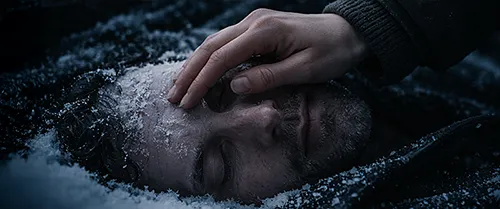
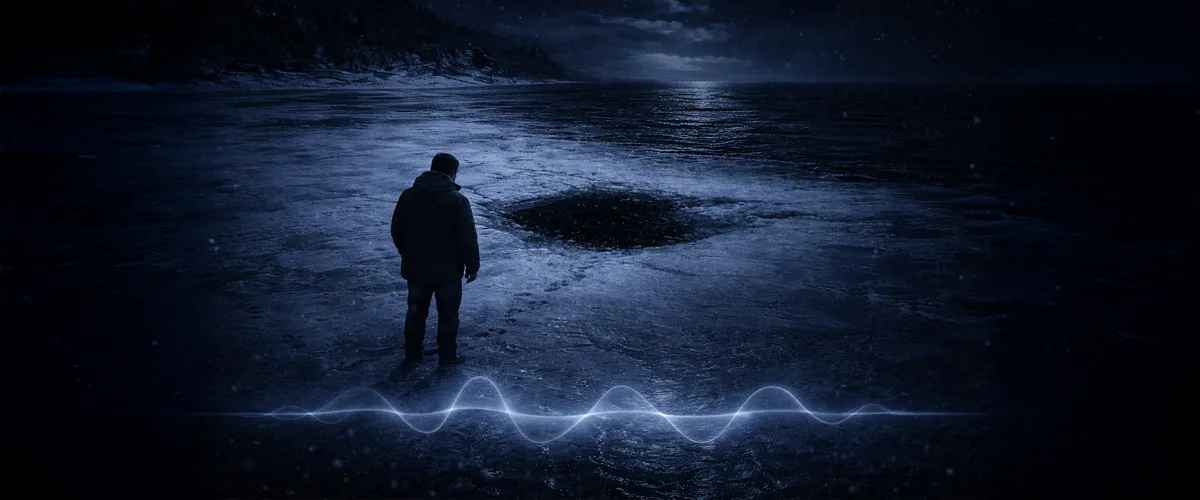
Example 1 – Mats falls through the ice. Click to open
In Final Reunion
Mats falls through the ice and disappears into the black water.
The moment reads as loss, failure, and an awakening that comes too late.
The music can carry cold, grief, and the feeling that something irreversible is being lost.
In The Reckoning
The same moment returns with new context.
What first seemed like helpless regret now carries traces of guilt and action.
The same musical DNA can here take on a darker, more uncompromising meaning.
Example 2 – Eva and the stove. Click to open
In Final Reunion
The scene feeds the paranoia inside the house.
The music can heighten shock, uncertainty, and the sense that no one any longer knows what is true.
In The Reckoning
As the context deepens, the scene’s meaning shifts.
What first appears as brutality takes on a different moral charge.
The music can then move from panic toward something more hidden, controlled, and complex.
Example 3 – The final image. Click to open
In Final Reunion
The story ends on an image that carries guilt, memory, and a black void of silence.
Here, the strongest gesture the music can make may be to almost disappear – or to leave behind an echo that offers no release.
In The Reckoning
When the full truth finally lies visible across both films, the aftertone changes as well.
What was first sorrow or shock may now feel like consequence, judgment, and final moral coldness.
What the Music Should Do
- Let guilt exist in the room before the dialogue does
- Give the night a sense of inevitability
- Work through small shifts rather than large outbursts
- Carry the memory of childhood violence without sentimentality
- Create a musical identity that survives reinterpretation
- Explaining every feeling in real time
- Pushing the films toward conventional horror or jump-scare logic
- Writing over the ensemble work or the silence
- Romanticising trauma or making revenge heroic
- Giving the audience the answer too early
Musical References
These references point toward musical function and tonal territory, not toward a temp track to be copied. What they share is music that feels more like psychological pressure than traditional “score.”
Under the Skin (2013)
The strongest reference in this context. Here, the music functions almost as a state of being rather than a traditional soundtrack: bodily, creeping, repetitive, and deeply disturbing. Small changes feel large. For The Reunion, this is a key reference for how music can feel like something that has already been in the room long before the audience understands why.
The Watcher (2022)
A reference for paranoia through almost-nothing. Long silences, subtle drone layers, and small tonal shifts create the feeling that something may be there, without the film having to underline it. For The Reunion, this is close to the group dynamics and the kind of unease that arises before the threat has taken form.
Foxcatcher (2014)
Coldness, control, emotional emptiness, and suppressed human pressure. The music feels restrained and almost distanced, yet it loads every scene with something heavy and unresolved at the same time. That makes the film an important reference for a score that carries shame, quiet aggression, and psychological stagnation without becoming demonstrative.
The Invitation (2015)
A clear reference for social tension slowly turning in the wrong direction. The music works discreetly beneath conversations, glances, and small shifts within the group, letting the audience feel that something is wrong before the film itself confirms it. For The Reunion, this is especially relevant for the low-key escalation inside the cabin.
Tone & Musical World
The films are grounded in Nordic psychological realism.
- Natural darkness and winter light
- Ensemble pressure rather than spectacle
- Shifting alliances, glances, and silences
- Violence that feels inevitable rather than operatic
The musical language may be sparse but distinctive – organic, electronic, or hybrid, as long as it preserves a sense of human presence under pressure.
Project Status
- International recognition through finalist placements and a win in screenplay competitions
- European co-production interest
- Active discussions are underway with production companies to attach a lead producer and move the project toward greenlight
- The material is being read by a Guldbagge-winning actor for a possible central role
- Directorial material has been passed on to an award-winning director
- The material is being read by Guldbagge-nominated composers
- Indicative total budget for both films: 40–60 MSEK (€3.7–5.5)
Seeking the Right Composer
The Reunion is looking for a composer drawn to:
- psychological tension
- restrained but distinctive musical identity
- subtext and moral complexity
- projects where the same motif can carry two truths
The goal is simple: to create two dark, atmospheric Nordic thrillers in which the music not only deepens the world, but helps reinterpret it.
About the Writer / Creator
Staffan von Zeipel is a screenwriter and creator with a focus on contained psychological thrillers and character-driven genre films. He is the creator of The Reunion (Final Reunion / The Reckoning), a Nordic noir duology in which two feature films take place during the same night, with the same ensemble and location.
With a background in project leadership and complex development processes, Staffan approaches The Reunion as a larger film project rather than merely two separate screenplays. He is deeply engaged in the project’s narrative structure and thematic core, but open to further professional development in collaboration with the right producer, director and key creative partners.
Contact
LinkedIn: LinkedIn/zeipels
IMDb: imdb/staffanvonzeipel